
Whoa!
So I was thinking about browser wallets and how they sit in your toolbar.
They look clean and simple but carry hidden permissions most folks never review.
My instinct said something felt off about how casually seed phrases are treated, and that gut hit me during a swap where I almost approved a weird permission.
Initially I thought extensions were inherently insecure, but after using a few and digging into their UX and permission models I realized the real issue is user mental models, not just the extension itself.
Seriously?
Ethereum wallets are the gateway to your funds, and a small mistake can cost you serious money.
On one hand extensions give convenience—quick swaps, dapps that talk to your account—though actually that convenience creates broad attack surfaces that people don’t see.
I’ve watched users click “Connect” countless times without understanding what they’re sharing, which is both scary and oddly understandable.
So the practical question is how wallets can offer speed without sacrificing safety.
Hmm…
Rabby stood out to me because it treats permissions like first-class citizens, and that design choice matters.
The wallet segments approvals, lets you confirm spender allowances, and offers a simple, clear transaction timeline that reduces accidental approvals.
I’m biased, but after using Rabby with MetaMask and a hardware wallet side-by-side I felt more control—less guesswork when an approval dialog popped up—and that shifted how I think about extension UX.
(oh, and by the way, small UI differences matter a lot when you’re approving contracts under pressure)
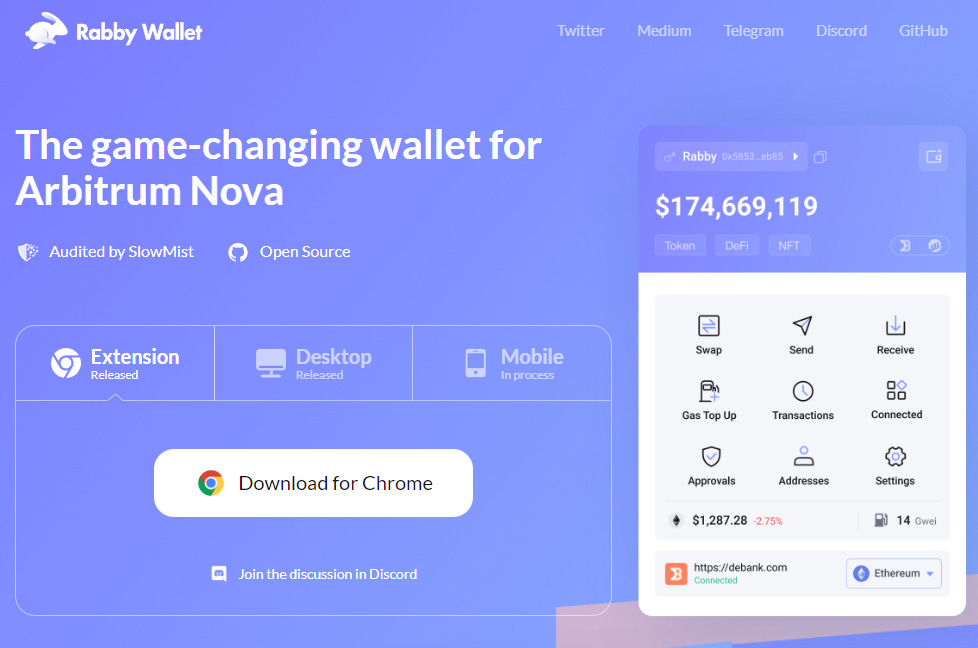
Where to start if you want to try Rabby
Okay, so check this out—if you want to see what I mean firsthand, try the rabby wallet download and install from a trusted source, then test with a tiny amount first.
Really?
Last week I used Rabby during a live trade while my Ledger was connected, and somethin’ interesting happened.
The extension showed both the contract call and a clear breakdown of gas and to-address, which made me pause instead of blindly approving.
Initially I thought hardware+extension combos are clunky; actually, wait—let me rephrase that: when the wallet communicates intent clearly the extra step feels like a sanity check, not a nuisance.
There’s still room for improvement—UI tweaks, better phishing warnings, and fewer auto-approvals—very very important details to get right.
Here’s the thing.
Back up your seed phrase securely and never paste it into a website.
Use a hardware wallet for large balances, restrict allowances, and revoke unused approvals regularly; these habits reduce risk even if an extension is compromised.
On one hand you want convenience for DeFi, though on the other hand you must build a few safe rituals like verifying contract addresses and checking network names before signing.
I’m not 100% sure about every edge case, but these steps cut down most common attack vectors.
Wow!
I came into this skeptical and left curious, which is a nice shift.
There are still gnarly problems in the ecosystem—scams, rug pulls, social engineering—that no single wallet solves.
That said, wallets like Rabby that focus on permission clarity and better UX make it easier for regular people to act safely, and that design-first approach is something I want more of across DeFi.
So try small, be cautious, and keep learning—it’s messy but worth the effort…
FAQ
Is a browser extension wallet safe for everyday use?
Short answer: yes, if you follow safe habits—use small amounts for daily activity, pair with a hardware wallet for large holdings, and pay attention to permission prompts.
How does Rabby help prevent accidental approvals?
Rabby breaks down spender allowances, shows transaction intent clearly, and offers simple revoke tools so you can manage approvals without hunting through obscure menus.
What should I do first after installing any wallet?
Write down your seed phrase offline, verify the extension came from the right source, test with a tiny tx, and get familiar with the permission dialogs before you trust the wallet with larger sums.